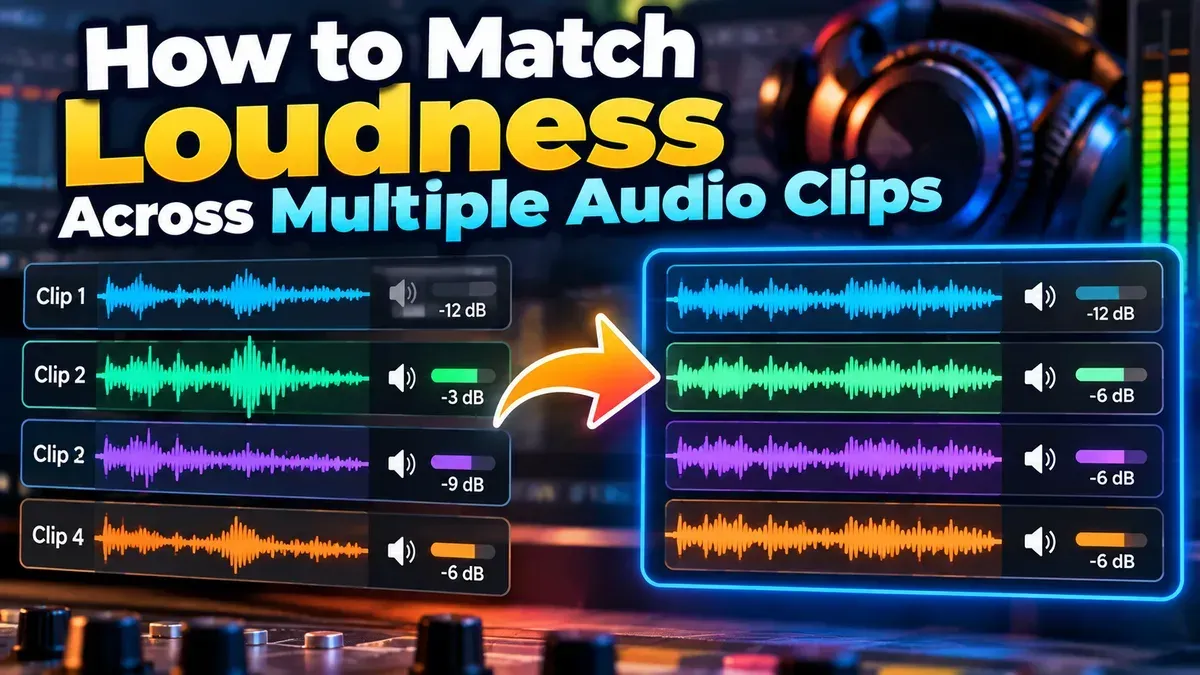
How to Match Loudness Across Multiple Audio Clips
Learn how to match loudness across audio clips with LUFS, gain adjustment, and listening checks. Keep dialogue and other audio consistent without clipping or over-compression.
Blog
Learn how to match loudness across audio clips with LUFS, gain adjustment, and listening checks. Keep dialogue and other audio consistent without clipping or over-compression.
Find a song’s tempo by tapping along to its steady beat. Learn how to count accurately, avoid half-time and double-time mistakes, and check your result.
An MP3’s size mostly depends on its duration and bitrate. Learn how to check what is making a file large and reduce its size without sacrificing more audio quality than necessary.
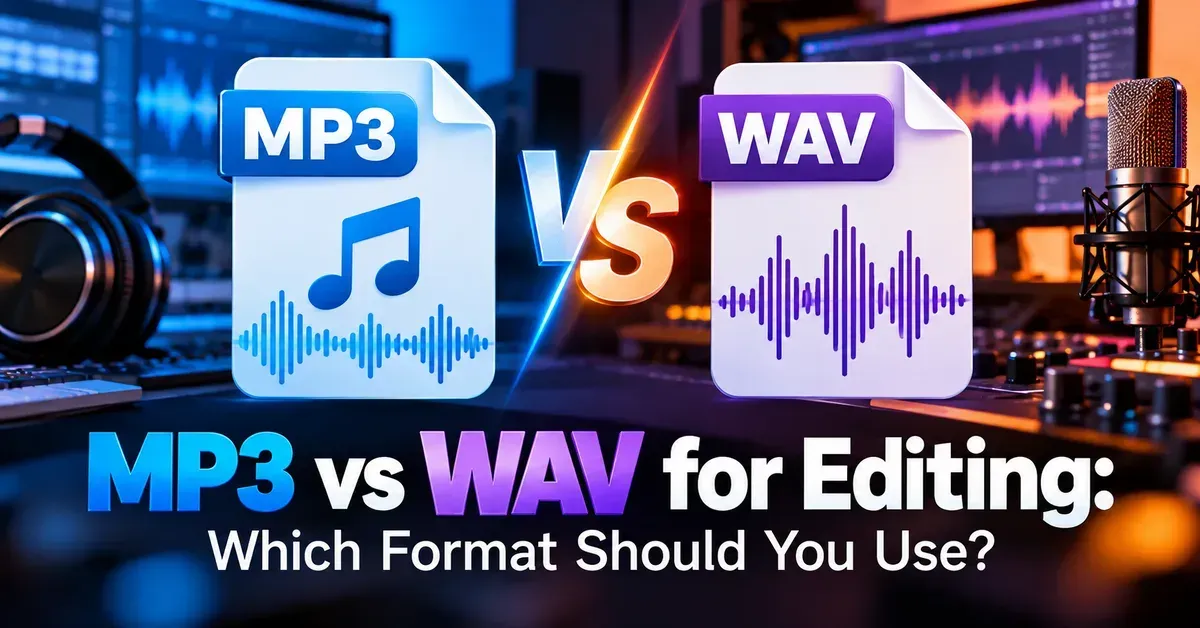
For most audio editing, WAV is the better working format because it preserves uncompressed audio. MP3 is smaller and convenient, but converting it to WAV cannot restore detail lost during MP3 compression.
LUFS measures how loud audio sounds to listeners, rather than only how strong its digital signal is. Learn what LUFS means, how its measurements work, and how to use it when preparing audio.
Estimate MP3 file size from bitrate and duration with a simple formula. See worked examples, a quick reference table, and why actual file sizes can vary.
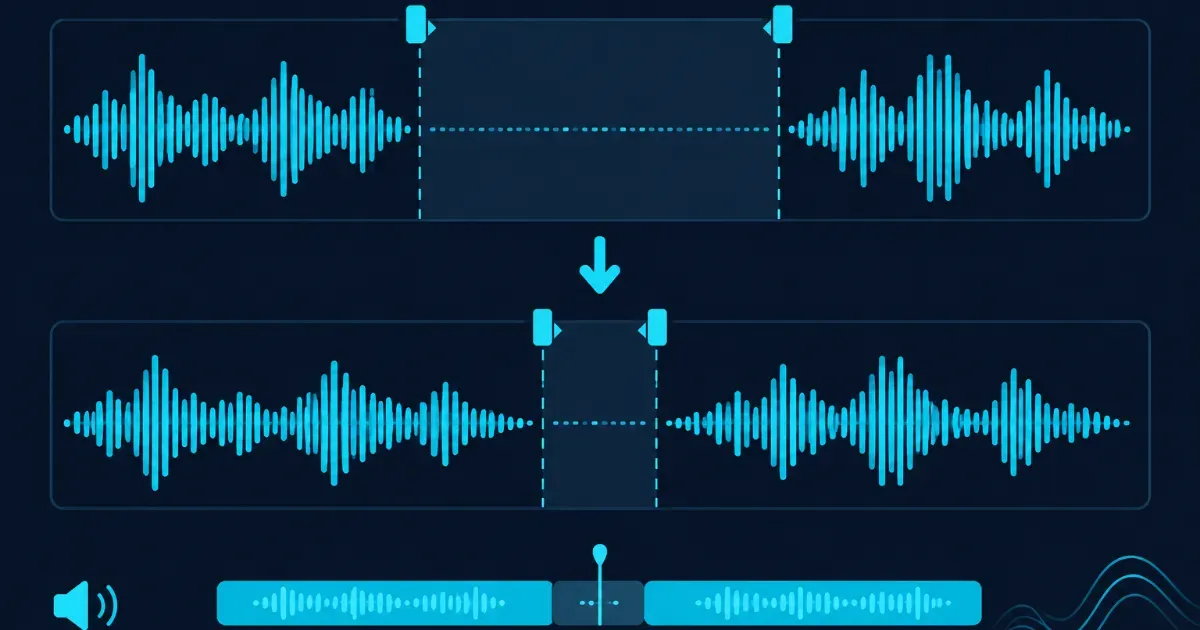
Learn how to remove long pauses from a podcast recording while preserving natural pacing. Use automatic silence detection or edit manually, then listen through before exporting.
MP3 artist and album details are stored in editable ID3 tags, not necessarily in the filename. Learn why they go missing and how to restore them.
Start typing to search tools and articles.