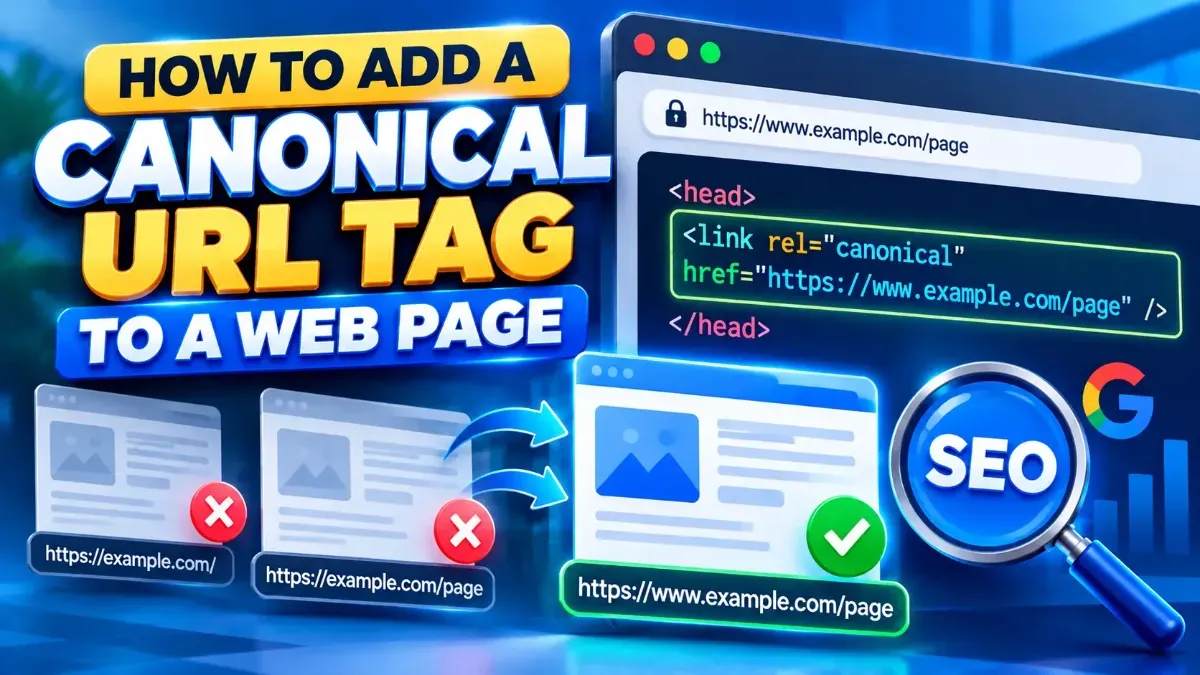
How to Add a Canonical URL Tag to a Web Page
Learn how to add a canonical URL tag to a web page, choose the preferred URL, place the tag correctly, and avoid common SEO mistakes.
Blog
Quick references for JSON, Base64, encoding and everyday developer tasks.
Learn how to add a canonical URL tag to a web page, choose the preferred URL, place the tag correctly, and avoid common SEO mistakes.
Learn how to find a redirect chain for a URL, read each hop and status code, and decide whether a slow or broken redirect needs fixing.
A 301 redirect signals a permanent move; a 302 signals a temporary one. Learn how to choose the right status code, avoid common SEO and browser pitfalls, and test your redirects.
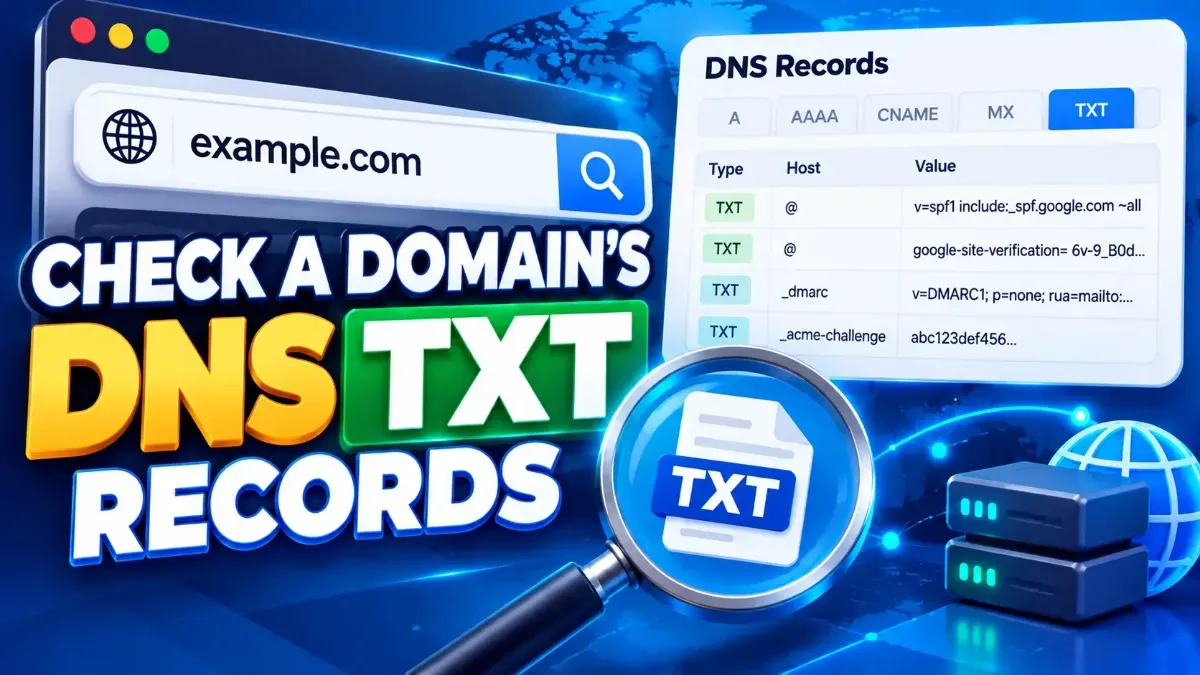
Learn how to check DNS TXT records for a domain using command-line tools or a browser-based checker, and understand common TXT records such as SPF, DKIM, and DMARC.
Learn how to check an SSL certificate expiration date using your browser, OpenSSL, or an online checker—and what to do before a certificate expires.
Use this UTM naming convention checklist to create consistent campaign URLs, keep analytics reports readable, and reduce tracking mistakes across your marketing team.
Learn how to check a redirect chain for SEO, interpret status codes, spot loops and unnecessary hops, and make fixes that help visitors and search engines reach the right page.
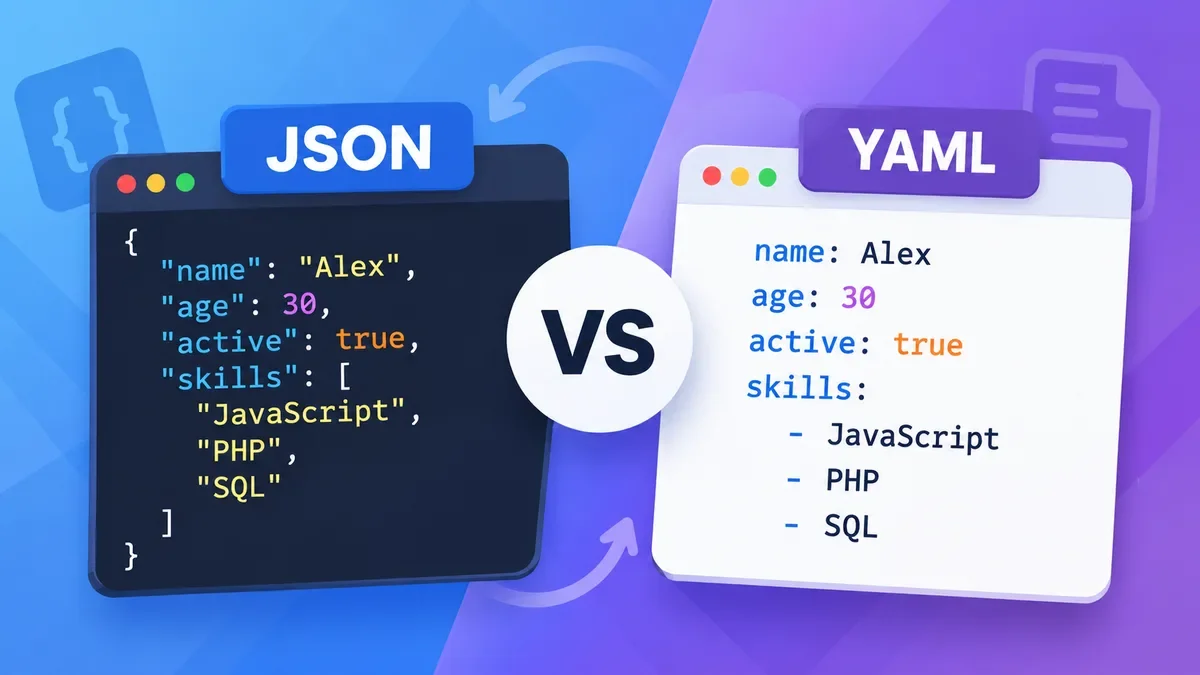
JSON and YAML are two popular formats for storing and exchanging structured data. Both can represent objects, arrays, strings, numbers, booleans, and null values, but they differ in syntax, readability, flexibility, and common use cases. This guide explains the practical differences between JSON and YAML and when you should choose each one.
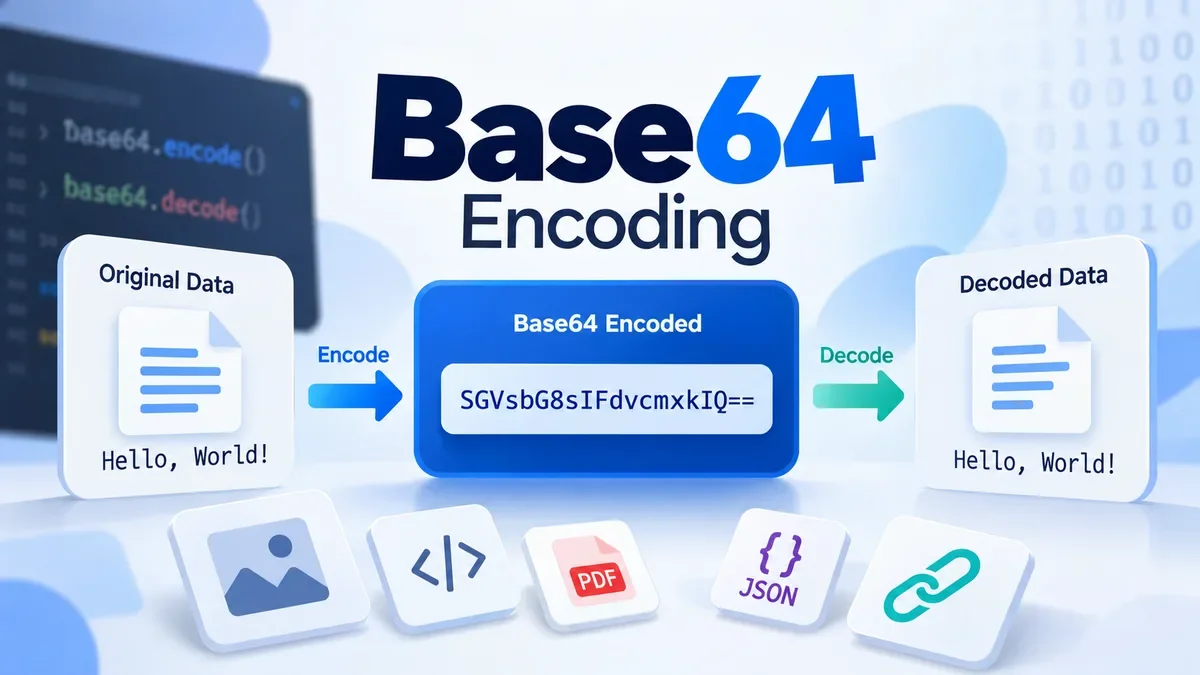
Base64 encoding converts binary data into a text representation that can be safely stored or transmitted through systems designed to handle text. Learn what Base64 is, how encoding and decoding work, where it is used, its limitations, and how to encode or decode Base64 strings online.
Start typing to search tools and articles.